Why sewage cleanup is different
Sewage carries bacteria and viruses that make people sick, and it soaks into anything porous. Restoration companies class it as the worst category of water damage, and they handle it differently from a clean water leak:
- Crews wear protective gear and keep the affected area closed off from the rest of the house.
- Carpet, pad, drywall and insulation touched by sewage get removed and bagged. Those materials can't be cleaned well enough to keep.
- Hard surfaces like concrete, tile and framing get cleaned and treated with disinfectant.
- The area gets dried with dehumidifiers and checked before rebuilding starts.
Keep kids and pets away from the area, and don't run fans that blow air from the wet room into the rest of the house.
Right now
- Stop flushing, showering and running the washer or dishwasher. Every gallon you send down the drain can come back up.
- Stay out of the water if you can. If you have to go in, wear rubber boots and gloves and wash well after.
- Turn off power to the area if water is near outlets and you can reach the panel safely.
- Throw out any food or medicine the water touched.
Sewer backups in Lee's Summit
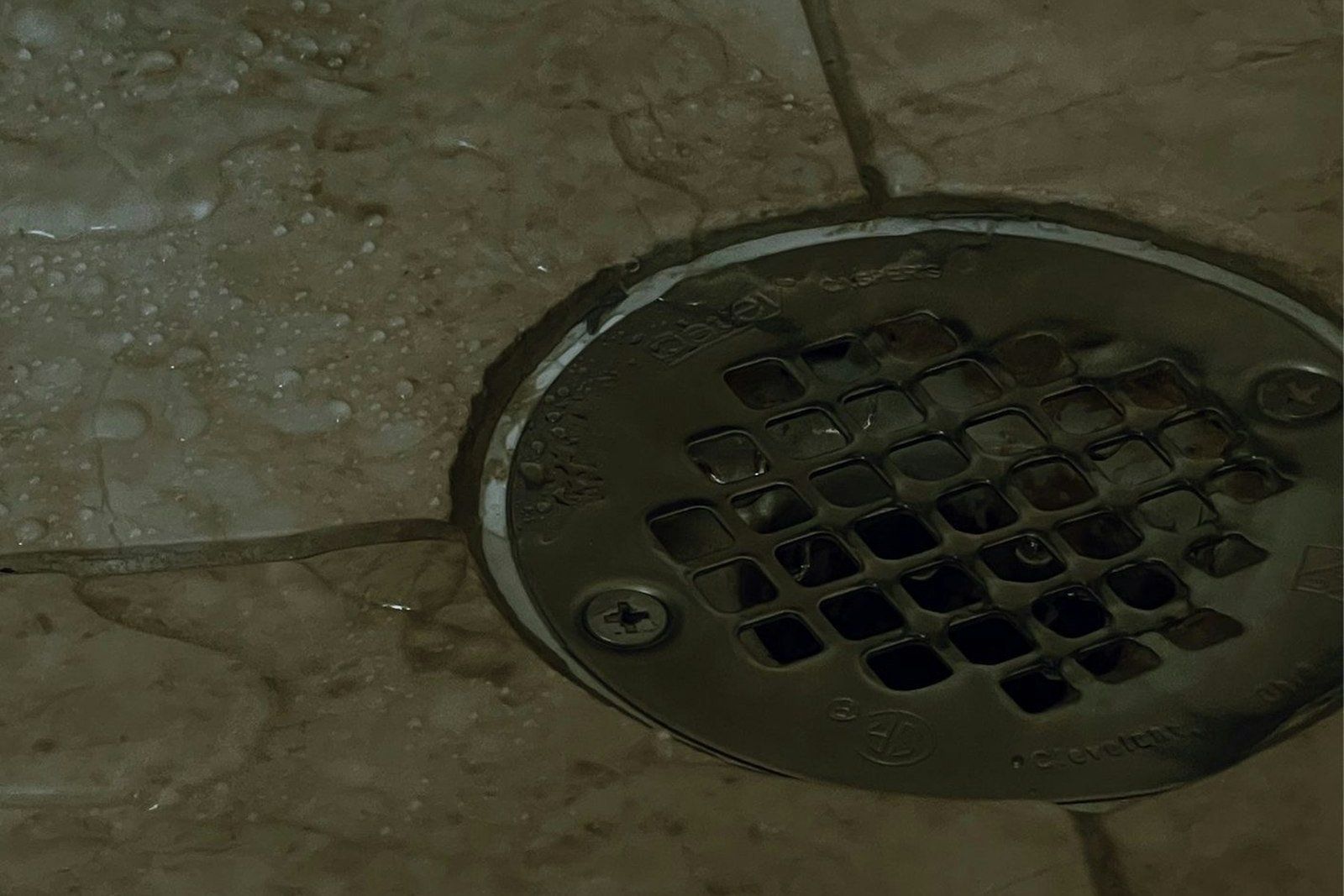
Backups usually start in one of two places. The first is your own sewer lateral, the private pipe from the house to the city main. Roots, grease, a sagging section or a collapsed clay joint can block it, and then everything you flush backs up into the lowest drain in the house, usually a basement floor drain or shower.
The second is the city main getting overloaded during heavy rain, which pushes sewage back toward houses on that line. That one is less common, and it tends to hit several houses on a street at once.
In Lee's Summit, the city's water utility says property owners are responsible for their sewer laterals, including the part under the street. The city does run a Private Sewer Lateral Repair Program that offers financial help with structural defects in laterals beneath city streets, so it is worth asking about if a camera inspection shows a break out there.
Older houses near downtown are the most likely to still have clay tile laterals, which crack and let roots in over the decades. Newer subdivisions have PVC laterals that hold up better, but grease and wipes still clog them.
A backwater valve on the main line keeps city sewage from coming back into the house. Plumbers in the area install them, and they are worth asking about after a backup.